
Introduction
Cloud computing has reshaped how digital solutions are designed, deployed, and maintained, especially within emerging markets where resources and technical capacity are constrained. Before cloud adoption, many startups relied on labour-intensive customised software development, meaning the provider had to build and maintain separate versions of the system for each client. This required manual installation, one-on-one configuration, onsite troubleshooting, and repeated updates for each deployment—processes that consumed significant time and technical labour (Marston et al., 2011). In contrast, Software-as-a-Service (SaaS) allows a single cloud-hosted system to serve many organisations at once. Updates, security patches, and improvements are applied centrally, eliminating the maintenance burden associated with fragmented installations. Clarifying this distinction is essential to understanding WorkPay’s evolution: the transformation was not merely commercial, but fundamentally an Information Systems redesign from isolated bespoke systems to a unified cloud platform.
From Software Services to Recognising Recurring Needs
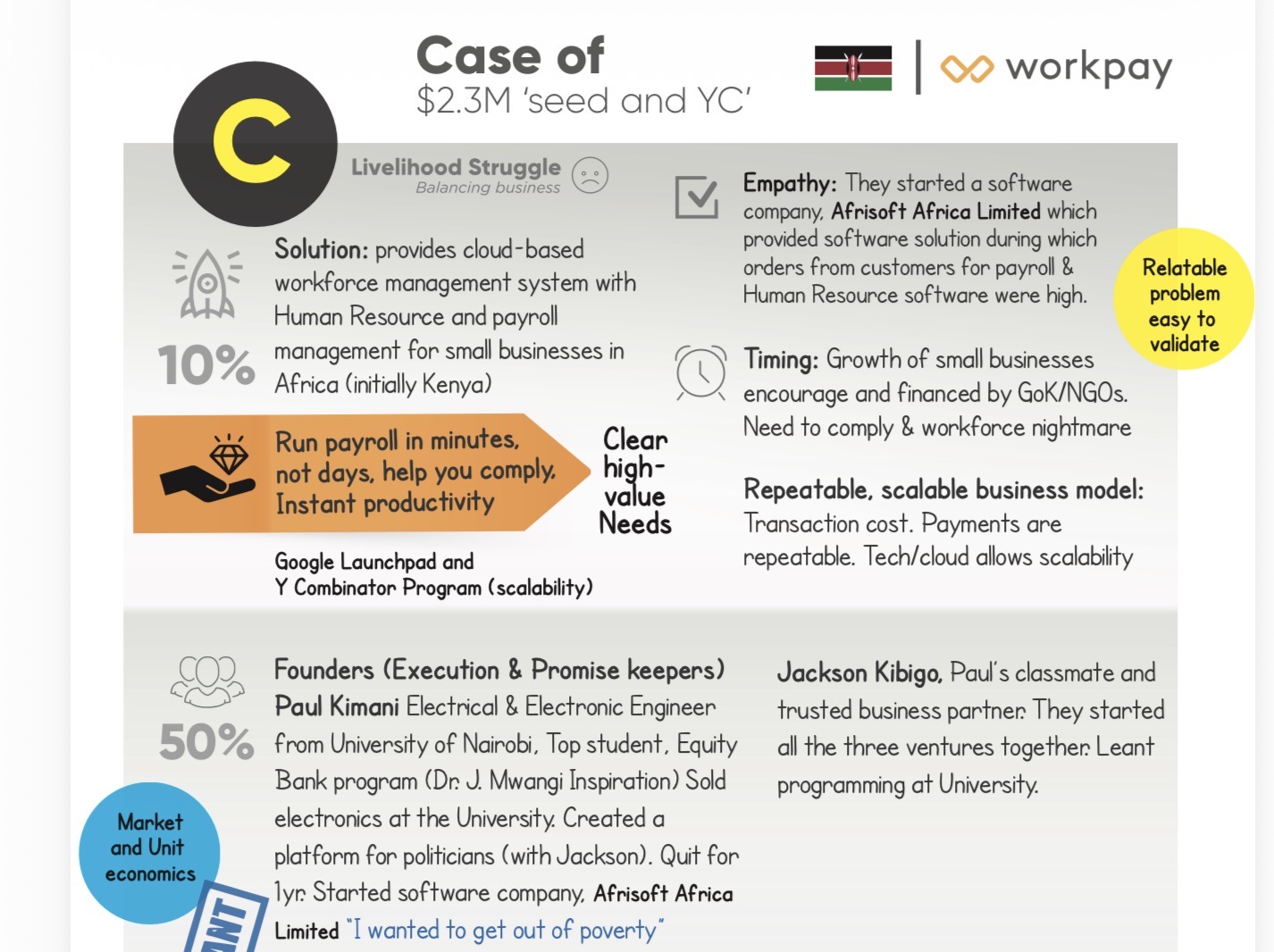
WorkPay, founded in 2017, initially operated as a software services provider, building individual payroll systems for clients across Kenya. Each implementation required fresh configuration, separate databases, manual updates, and direct client support. Over time, however, the WorkPay team recognised that most clients faced remarkably similar HR and compliance challenges—ranging from salary schedules and attendance tracking to payroll taxes and statutory submissions. This recognition of recurring needs on the provider’s side, rather than differences in customer demand, highlighted an opportunity for product standardisation. As Co-Founder Paul Kimani explained, “We realised we were solving the same payroll and compliance problems again and again… the solution needed to be standardized and cloud based” (Kimani, 2020). This aligns with Teece’s (2018) view that scalable digital business models emerge when firms identify patterns of repeatable needs and design shared systems capable of serving many customers simultaneously.
Cloud Computing as the Scaling Infrastructure
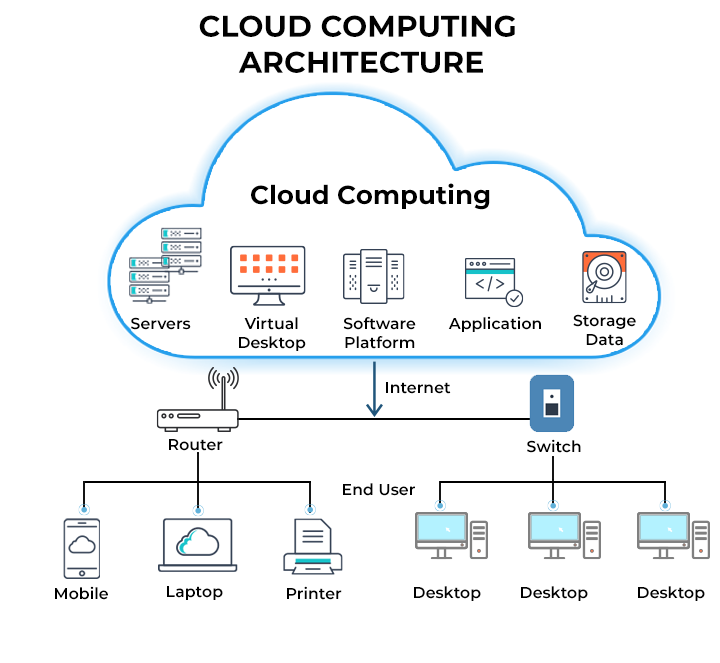
The transition to a cloud-native architecture enabled WorkPay to consolidate individual client deployments into a multi-tenant SaaS platform. Cloud computing offered several key advantages. First, it allowed centralized hosting and data management, ensuring compliance with regulatory and security requirements across different markets. Second, it enabled automatic software updates, meaning improvements could be deployed to all clients simultaneously without manual intervention. Third, the pay-as-you-grow nature of cloud infrastructure reduced upfront capital expenditure and allowed the company to scale efficiently alongside customer demand (Armbrust et al., 2010).
Transitioning to a cloud-native, multi-tenant architecture enabled WorkPay to consolidate all clients into a single, centrally maintained system. Cloud infrastructure provided automatic updates, real-time security enhancement, scalability across markets, and reduced deployment time (Armbrust et al., 2010). These changes also eliminated the labour-intensive processes associated with custom deployments, replacing them with automated workflows and centralised system administration.
Business Model Shift and Recurring Revenue Growth
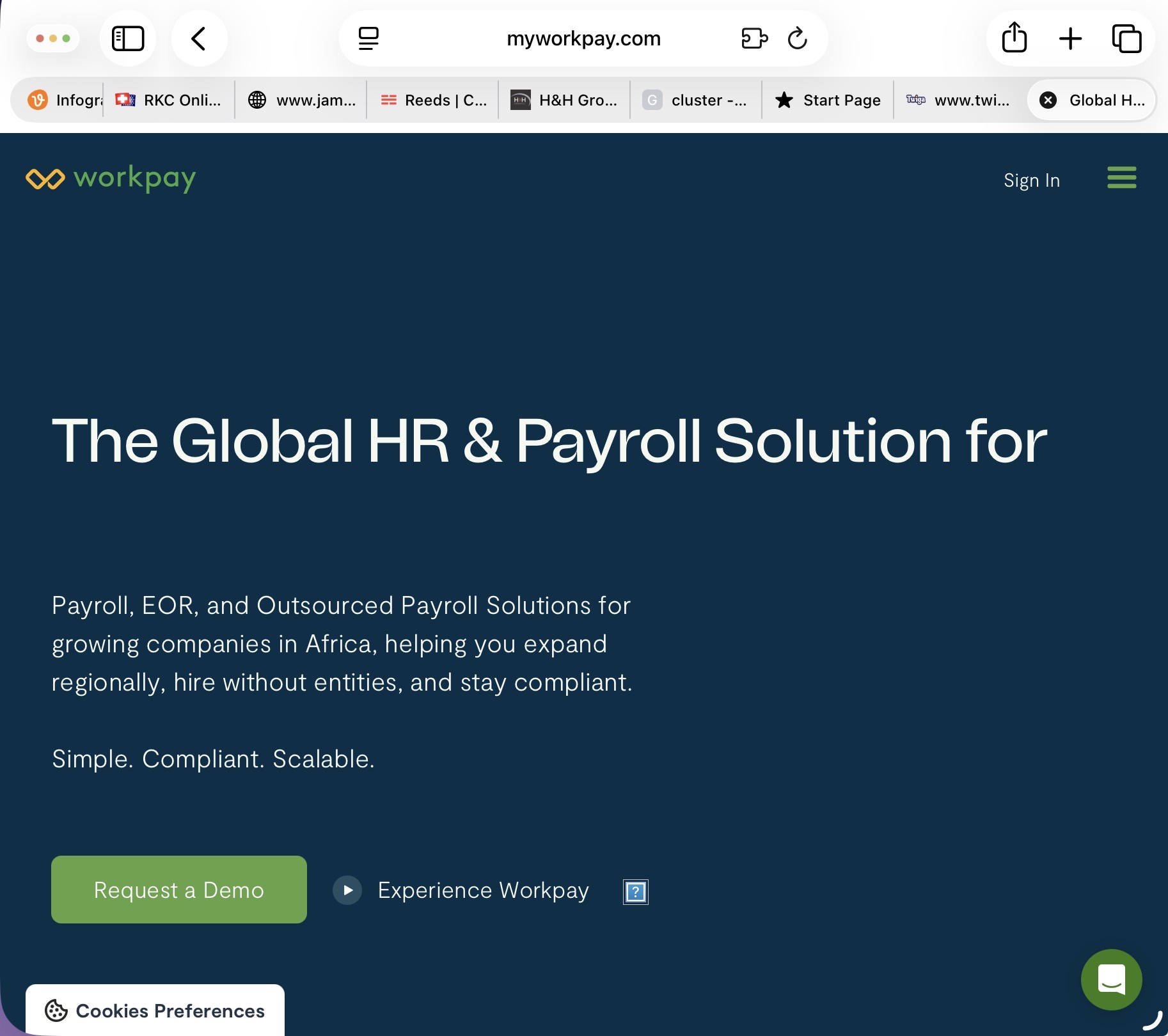
To demonstrate deeper understanding of information systems, it is important to show how the cloud platform integrates into customers’ operational processes. Businesses use WorkPay’s system to create and manage employee records, automate payroll calculations, process statutory deductions (such as PAYE, NHIF, and NSSF), and generate payslips. The platform incorporates multi-level access controls so HR managers, payroll officers, and supervisors can approve workflows digitally. Attendance data is captured through mobile check-ins, reducing manual entry errors and supporting decentralised teams. WorkPay’s APIs integrate with banks and mobile money platforms like M-Pesa, automating bulk salary payments and eliminating manual uploads. The platform also provides real-time compliance updates so tax rates, statutory rules, and reporting formats reflect current regulations. All these functions illustrate how cloud computing enables process automation, data centralisation, and decision support, which are core themes in Information Systems.
Platformization and Strategic Expansion
WorkPay’s transformation also enhanced system reliability and data integrity. Unlike custom systems—where each installation could drift based on client-specific changes—the cloud-based SaaS model ensures all users operate on the same version, with consistent data structures and reporting standards. Cloud storage increases auditability, and real-time data availability supports organisational transparency and managerial decision-making (Petrakaki et al., 2018). Cloud computing also improved WorkPay’s capacity for incremental innovation: new modules for benefits management, payments, compliance dashboards, and HR workflows were added without requiring clients to reinstall or rebuild systems (Disrupt Africa, 2021).
Conclusion:
Overall, the WorkPay case illustrates how cloud computing can fundamentally reshape the design, maintenance, and organisational integration of digital systems in emerging markets. The shift from bespoke software to a multi-tenant SaaS platform eliminated labour-intensive service delivery, improved data consistency, strengthened compliance mechanisms, and enabled seamless integration into customer HR and payroll processes. Rather than framing this transformation solely as a business model shift, the case demonstrates how cloud-native Information Systems enable scalable digital services, support process automation, and enhance decision-making across organisations. For African startups seeking sustainable scale, cloud adoption represents not only a technical upgrade but a critical redesign of how information systems are built, delivered, and integrated into organisational workflows.
References
- Armbrust, M. et al. (2010) ‘A View of Cloud Computing’, Communications of the ACM, 53(4), pp. 50–58.
- Disrupt Africa (2021) ‘Kenyan HR startup WorkPay expands across Africa’. Available at: https://disrupt-africa.com
- Marston, S. et al. (2011) ‘Cloud Computing — The Business Perspective’, Decision Support Systems, 51(1), pp. 176–189.
- Ndiwalana, A. and Tusubira, F. (2018) ‘Software Business Models in Emerging Markets’, African Journal of ICT.
- Petrakaki, D., Cornford, T. and Klecun, E. (2018) ‘SaaS and Digital Workflows in Organizations’, Information Systems Journal.
- TechCrunch (2020) ‘Kenyan startup WorkPay raises $2.1M to scale African payroll’. Available at: https://techcrunch.com
- Teece, D. J. (2018) ‘Business Models and Value Capture’, Long Range Planning.
- The Africa Report (2023) ‘Payroll startup WorkPay eyes Francophone Africa expansion’. Available at: https://www.theafricareport.com
- VentureBurn (2020) ‘WorkPay raises seed capital to scale HR and payroll solution across Africa’. Available at: https://ventureburn.com
 Enos Weswa
Leave a comment